Waterfront guide
Chula Vista Bayfront
A practical guide to the marina, waterfront paths, wildlife, changing skyline, and an easy day beside San Diego Bay.
01
A waterfront in transition
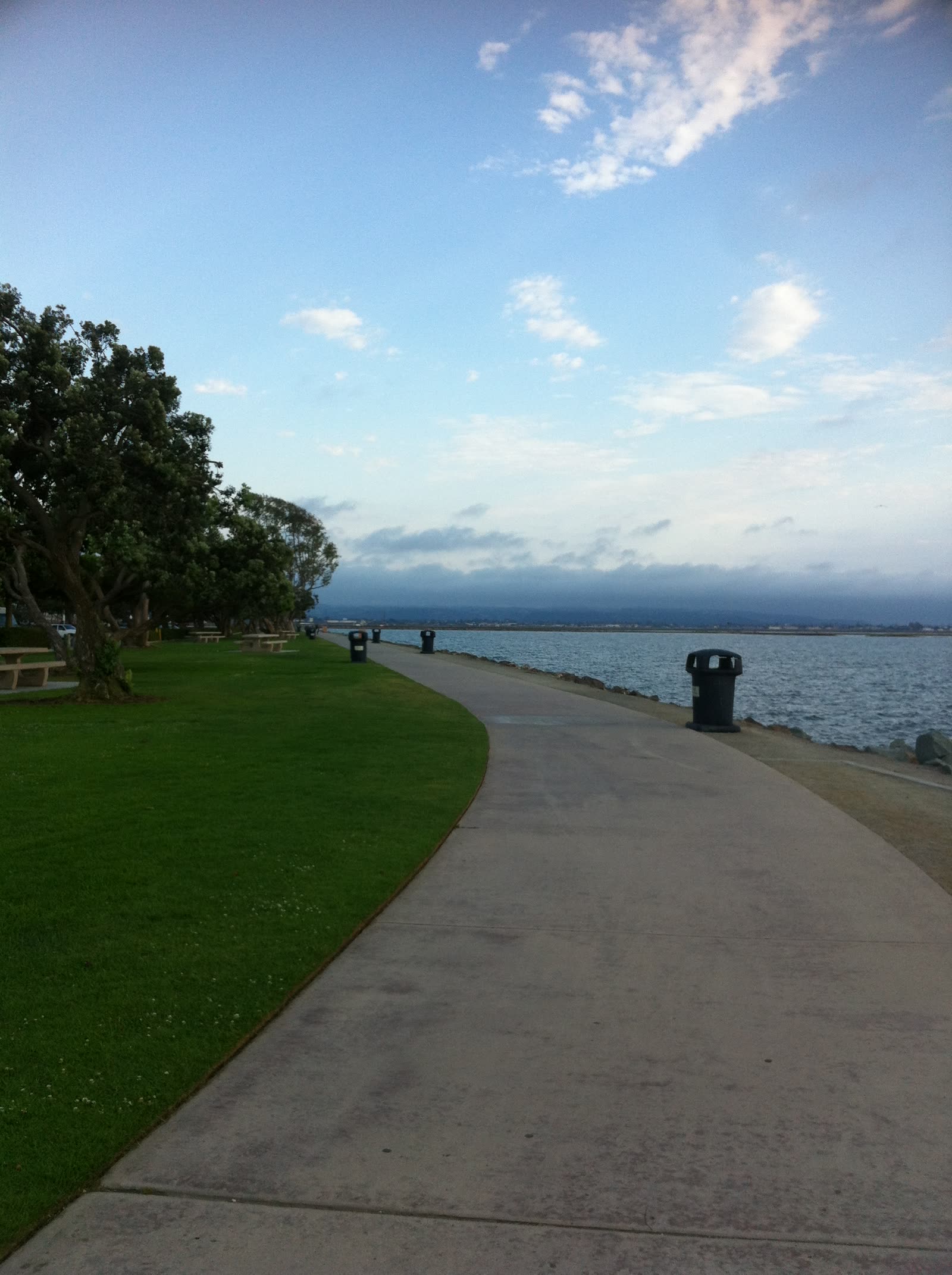
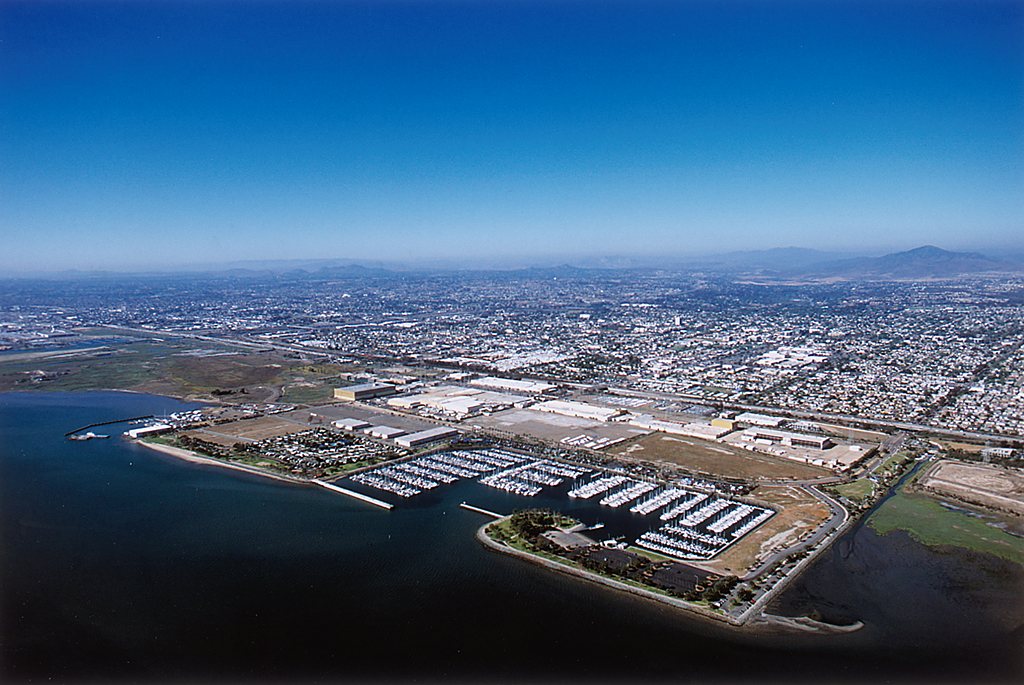
The Chula Vista Bayfront occupies the city’s western edge along San Diego Bay. It is not one single attraction with a front gate. It is a changing waterfront district made up of marina slips, public paths, lawns, habitat areas, restaurants, boat activity, and major redevelopment sites. That mixture is the reason to visit. One direction can feel quiet and open, with shorebirds moving across the water; another can feel active, with construction, events, and people heading toward the marina. The best way to understand the bayfront is to treat it as a district and explore it on foot rather than expecting one fixed viewpoint.
The shoreline has long been connected to industry, power generation, boating, and protected wetlands. More recently, public agencies and private partners have worked on a broad bayfront plan intended to combine visitor destinations with parks and habitat restoration. Because that work continues, paths, parking patterns, and views can change. The water, marina, and broad western sky remain the constants. On clear days, the light travels across the bay toward Coronado and Point Loma; in the evening, the open horizon makes this one of the city’s easiest places to watch sunset color develop.
02
What to do when you arrive
Start near the marina and follow the public waterfront paths at an unhurried pace. The route is mostly about atmosphere: boats at their slips, people fishing, families using the lawns, cyclists passing through, and views that open between trees. Bring binoculars if you enjoy birds. South San Diego Bay supports important wetland habitat, and the wider area is used by both resident and migrating species. Keep to marked public routes and respect fenced restoration areas; the quieter edges of the shoreline are habitat, not shortcuts.
A bayfront visit pairs naturally with the Living Coast Discovery Center, which interprets the plants and wildlife of nearby Sweetwater Marsh. Downtown Third Avenue is also close enough to use as the food stop before or after a walk. That creates a balanced half day: outdoor time at the water, a nature-focused visit, then locally owned restaurants or cafés inland. Families can use the lawns for a relaxed break, while photographers will usually prefer early morning clarity or the warmer final hour before sunset.
03
Planning a comfortable visit
The bayfront is exposed to sun and wind, and conditions can feel cooler than neighborhoods farther east. Layers, water, sunscreen, and comfortable walking shoes are useful even on mild days. Check current city or Port of San Diego information before relying on a particular parking lot or path, especially during construction or a large waterfront event. Never leave valuables visible in a parked vehicle. If accessibility is important, choose established paved promenades and verify the closest open parking before departure.
There is no need to rush. Ninety minutes is enough for a simple marina walk, while three or four hours allows time for wildlife viewing, photographs, and a nearby meal. Weekday mornings are typically the calmest. Weekend afternoons bring more families and recreational activity. Sunset is memorable, but plan the return to your car while there is still light and remain on active public paths. Current business hours, event access, and construction conditions should always be confirmed directly because this is one of the fastest-changing parts of Chula Vista.
For local businesses
Own a business near Chula Vista Bayfront?
Claim your business for free. Verify your email and manage your listing in your private owner account.
Claim my business for free