Wildlife and wetlands guide
Living Coast Discovery Center
Meet native coastal wildlife and understand Sweetwater Marsh at this compact education center on San Diego Bay.
01
A small center with a big setting
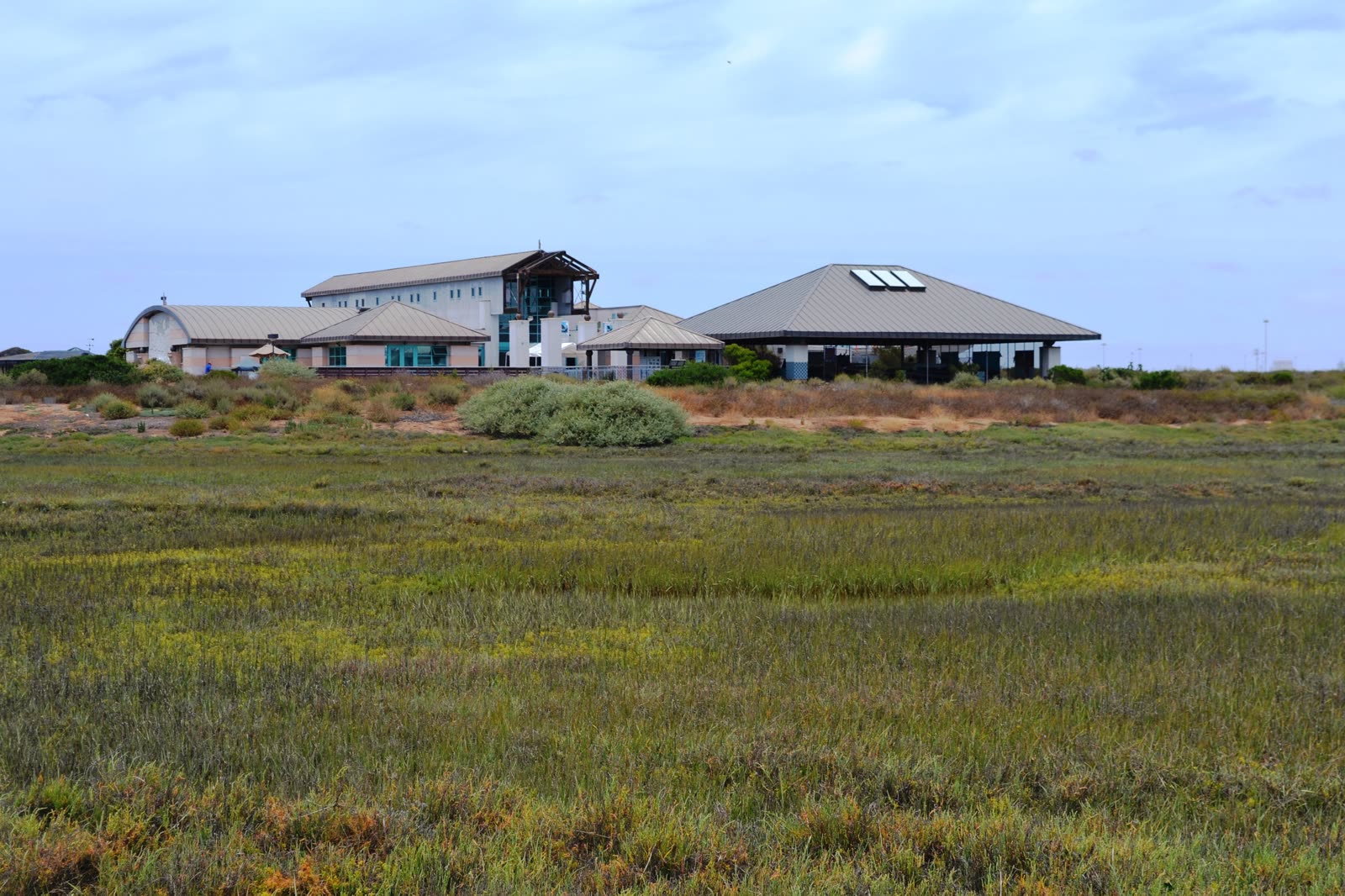
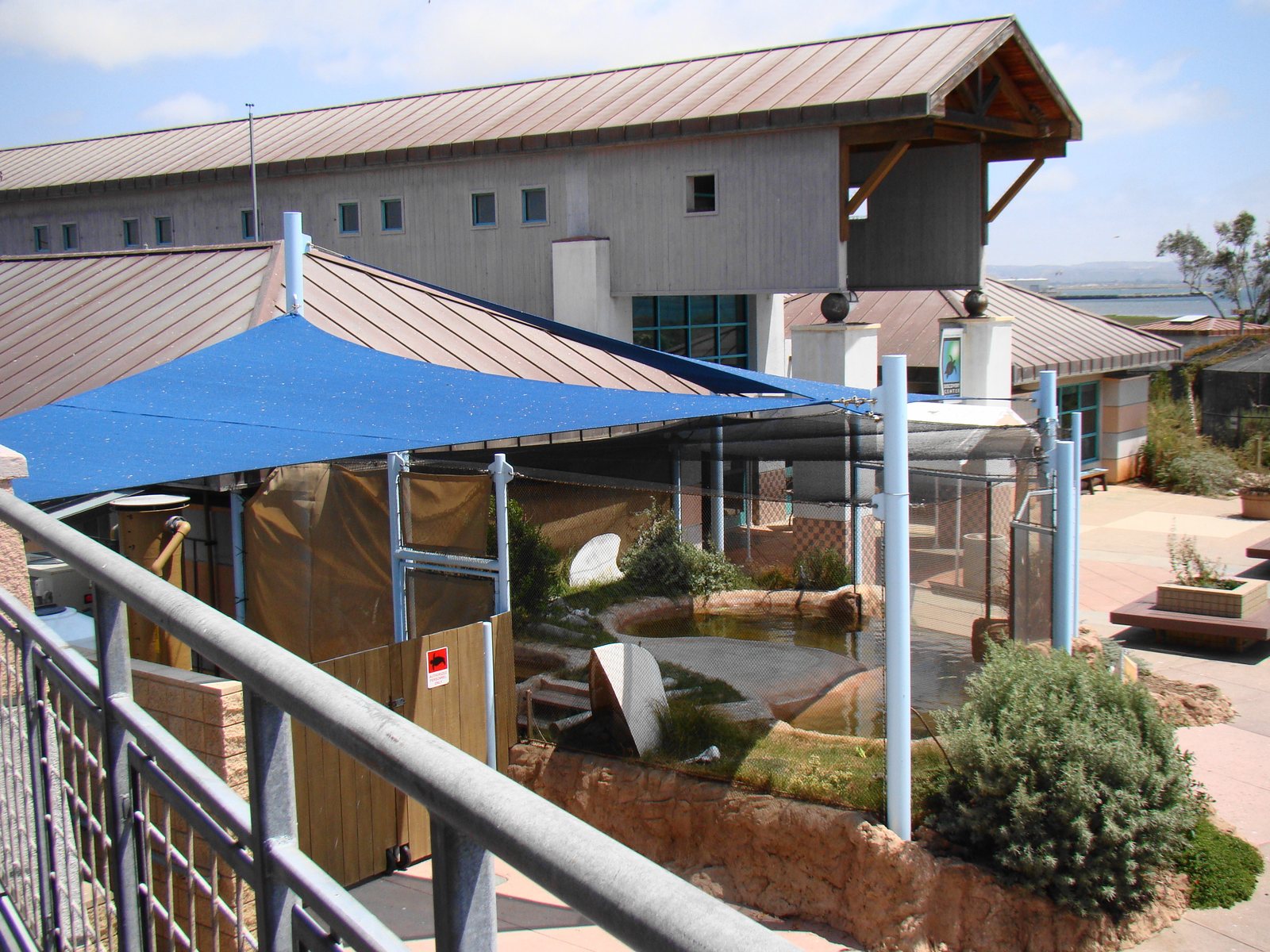
Living Coast Discovery Center sits within the Sweetwater Marsh Unit of the San Diego Bay National Wildlife Refuge. The setting is essential to the experience. This is not a large conventional zoo surrounded by city blocks; it is a compact wildlife education center connected to protected coastal habitat. Exhibits focus on animals and ecosystems of Southern California’s coast, bay, and wetlands. Depending on current programs and animal care needs, visitors may encounter native birds, reptiles, fish, sharks, rays, and other species while learning how marshes support wildlife and people.
The organization began operating in 1987 and was long known as the Chula Vista Nature Center. It later became the Living Coast Discovery Center, which is why historical photographs and older local references use the former name. The mission remains rooted in wildlife education, conservation, and contact with the surrounding marsh. The modest scale is a strength for families who want a meaningful outing without navigating an enormous campus. It is possible to slow down, repeat a favorite exhibit, listen to an educator, and still leave energy for a short outdoor walk.
02
What to look for
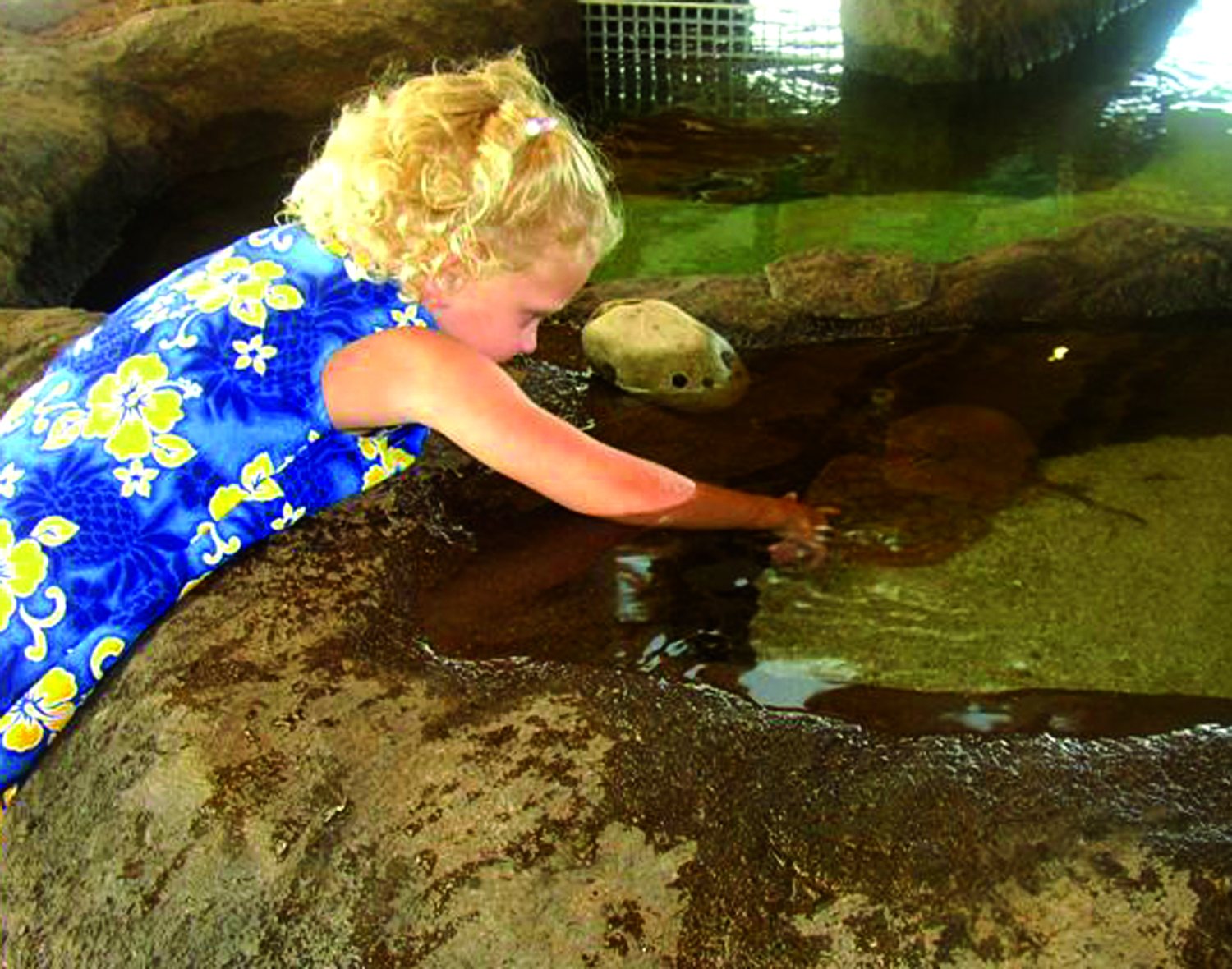
Begin by checking the day’s program board or asking staff about scheduled feedings, talks, and animal encounters. Those moments add context that signs alone cannot provide. Encourage children to observe behavior rather than racing from one exhibit to the next: how a shorebird uses its bill, where a ray settles, or how an animal’s body suits wetland life. Touch-pool availability and handling rules may change, so follow staff guidance and never promise a hands-on encounter before confirming the current schedule.
Outside, take time to look across Sweetwater Marsh. Wetlands can appear quiet at first, but patient viewing reveals movement in the water, mud, and vegetation. Binoculars are useful, particularly during migration periods. Stay on designated paths, keep voices moderate near wildlife, and do not feed animals. The refuge protects habitat as well as providing public learning opportunities. Seasonal weather, tides, and bird movement mean two visits can feel different even when the indoor exhibits are familiar.
03
Planning your visit
The center’s access arrangements are unusual enough that visitors should read the official arrival instructions before leaving home. Current procedures, parking, shuttle details, admission prices, hours, and program schedules can change. Allow about two to three hours for a comfortable family visit, longer if your group attends several presentations or spends time birdwatching. Bring sun protection and water for outdoor areas, plus a layer when bay weather is cool. Closed-toe walking shoes are a practical choice for paths and active children.
Pairing the center with the nearby Chula Vista Bayfront creates a full nature-focused day without crossing the city. A morning at Living Coast followed by lunch and a marina walk works well. The experience is best for visitors who enjoy animals, conservation, photography, or hands-on learning, not those expecting thrill rides or a vast collection. Accessibility needs, service-animal policies, group visits, and educational programs should be confirmed directly. Ticket purchases and donations support a nonprofit organization, but program offerings and animal visibility always depend on welfare, staffing, and conditions on the day.
For local businesses
Own a business near Living Coast Discovery Center?
Claim your business for free. Verify your email and manage your listing in your private owner account.
Claim my business for free